
President of Lebanon says his country is not a war center
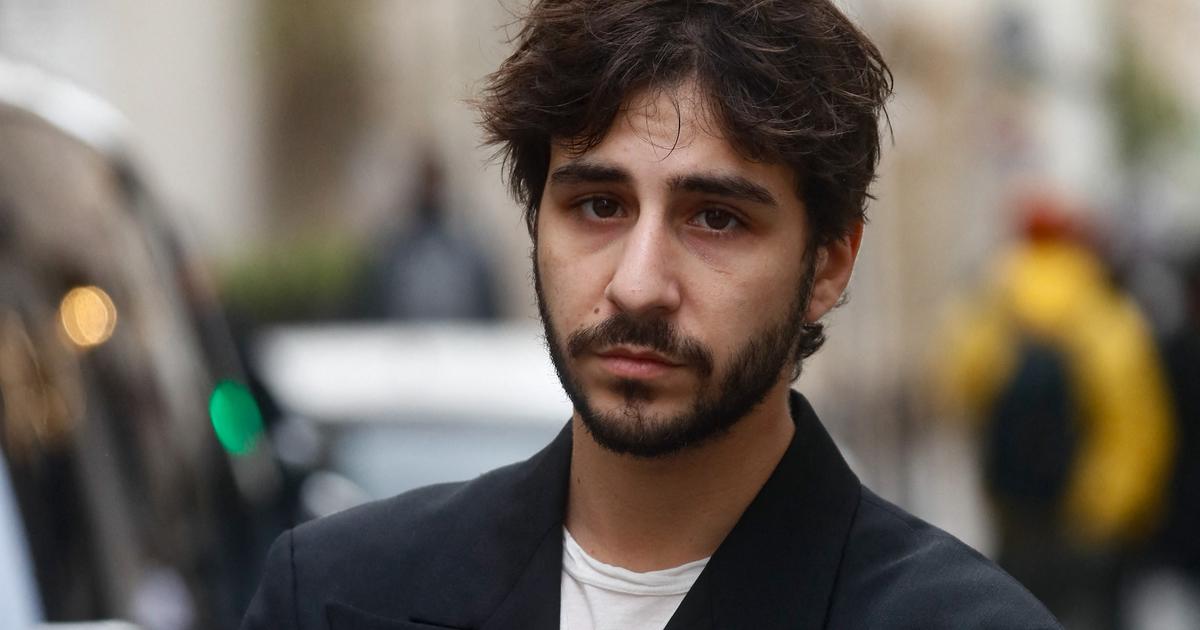
In a national address, President Joseph Aoun stated that his country does not want to be “the center of anyone’s wars”.
Published
Reading time: 2min
/2026/04/17/69e27739c3830842375714.jpg "War in the Middle East: Lebanon working on permanent agreement after ceasefire with Israel.")
Negotiations continue between Israel and Lebanon. The country is working on a “permanent agreement” with Israel after the ceasefire that came into effect on Friday, April 17, as stated by its president.
“We are entering a new phase,” declared Joseph Aoun in his first address to the nation since the truce, mentioning “a transition phase (…) to work on a permanent agreement that safeguards the rights of our people, the unity of our country, and the sovereignty of our nation.”
These direct talks, while Lebanon has been in a state of war with Israel since 1948, are “not a sign of weakness or concession,” emphasized the head of state, promising not to “cede an inch of national territory.”
“We are confident that we will save Lebanon, we have regained Lebanon and Lebanon’s decision-making power for the first time in nearly half a century,” Joseph Aoun further stated, adding that “today, we negotiate for ourselves, we are no longer a pawn in anyone’s game, not the center of anyone’s wars, and we never will be again.”
Lebanon was drawn into the regional war when Hezbollah, an Islamist movement financed and supported by Tehran, attacked Israel on March 2 in retaliation for the death of Supreme Leader Ali Khamenei, on the first day of the Israeli-American offensive against Iran.
In his speech, the Lebanese president thanked “all those who contributed to the ceasefire, starting with my friend, US President Donald Trump,” as well as Saudi Arabia.
Since the inauguration of Joseph Aoun and Prime Minister Nawaf Salam last year, Beirut has made several unprecedented decisions against Hezbollah, including a commitment to disarm the Shiite movement, following a ceasefire reached in November 2024 to end a previous conflict with Israel.
The government has also banned Hezbollah’s military activities, the only group to retain its weapons after the 1975-1990 civil war in the name of “resistance” against Israel, despite the Israeli withdrawal from Lebanon in 2000. In a country torn by deep sectarian and political divisions, the arsenal of the pro-Iranian movement has repeatedly sparked internal crises.
;background-size:cover;background-position:center%20center; "La préservation du patrimoine en zone de conflit armé : pourquoi lexemple de lUkraine alerte sur le risque deffacement dune identité")



/2026/04/17/69e27739c3830842375714.jpg&description=War+in+the+Middle+East%3A+Lebanon+working+on+permanent+agreement+after+ceasefire+with+Israel.)