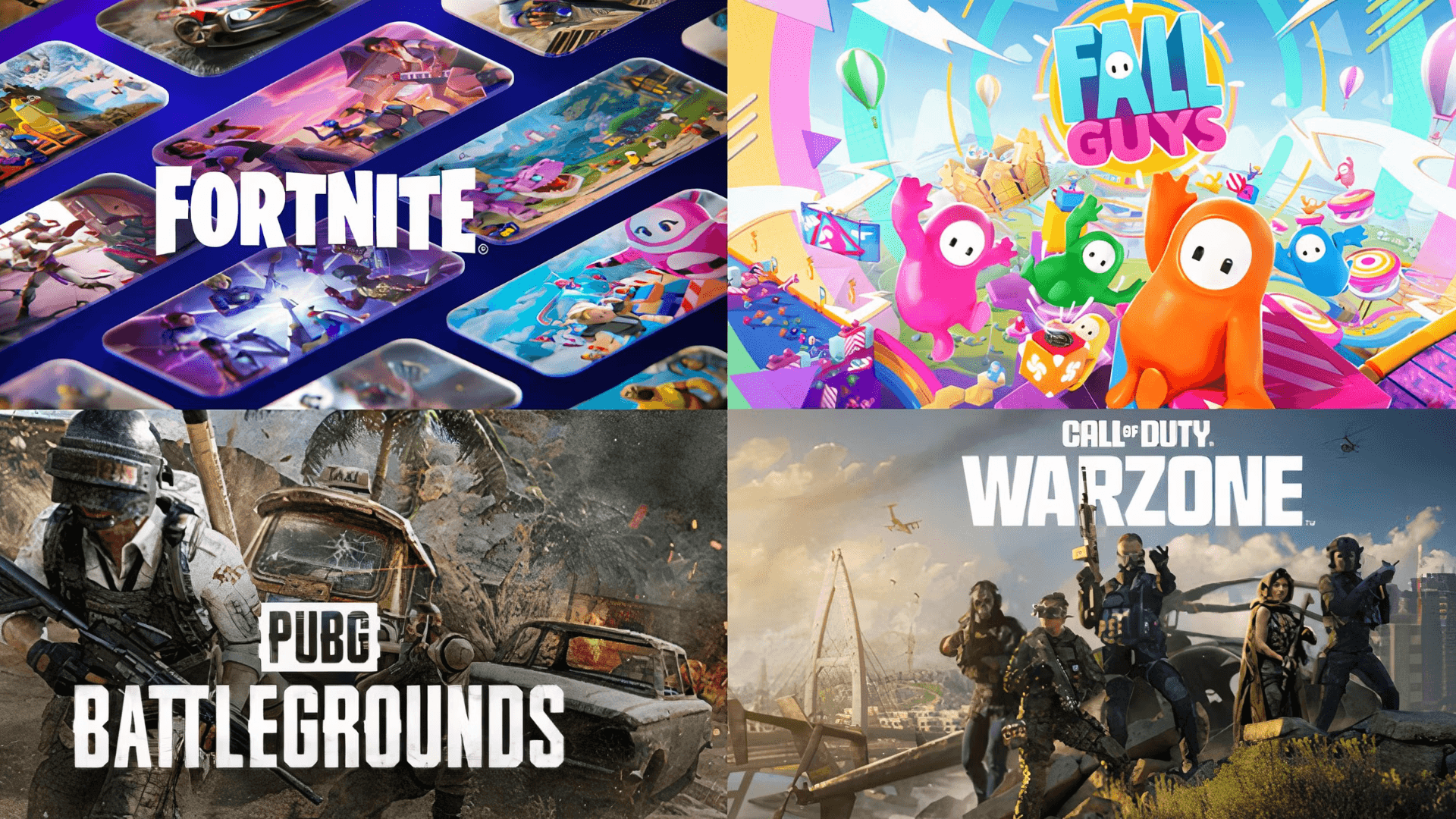
Today, we go back to 2017, the year when PUBG: Battlegrounds redefined multiplayer gaming. Without PUBG, titles like Fortnite may have never seen the light of day, as PUBG made Battle Royale a mass phenomenon. The game succeeded in reaching millions of simultaneous players on Steam, all with a sense of realism rather than arcade-feel.
Summary
Today, PUBG is more than just a PC game. It offers e-sports, a mobile version, and new genre derivatives, no longer just the small game of 2017. While the enthusiasm on PC has slowly faded over time, the mobile version has exploded, especially in the Asian market. Now, PUBG is coming with new projects like Black Budget, showing its strategic realignment. Is PUBG still relevant or is it a thing of the past?
The Initial Phase – How PUBG Defined Battle Royale
PUBG’s anticipated access began in March 2017. At that time, the game was not Free to Play, but had to be purchased once. It wasn’t until 2022 that the switch to Free to Play took place. The idea came from Brendan Greene, who in 2011 created the Battle Royale mod for Arma 2. He then had the idea to turn it into a full-fledged game, and that became PUBG. The first map, and still the most iconic today, is Erangel, with its military backdrop. At the time, 100 players would jump from the plane with no respawn, creating maximum tension. Additionally, the game offered realistic weapon physics and bullet drop from the start, all without skill systems or superpowers: pure realism.
As there are no special abilities, tactics, positioning, and map knowledge are the decisive factors in the game. PUBG’s loot system with random spawning has become the genre standard and is now essential. Due to the constantly shrinking zone, there is constant pressure and a need to move forward, always leading to encountering new players. On January 13, 2018, all records were broken, and PUBG reached the highest number of simultaneous players ever on Steam, with 3.2 million players connected at the same time. At that time, the massive influx caused server issues, a sign of its success.