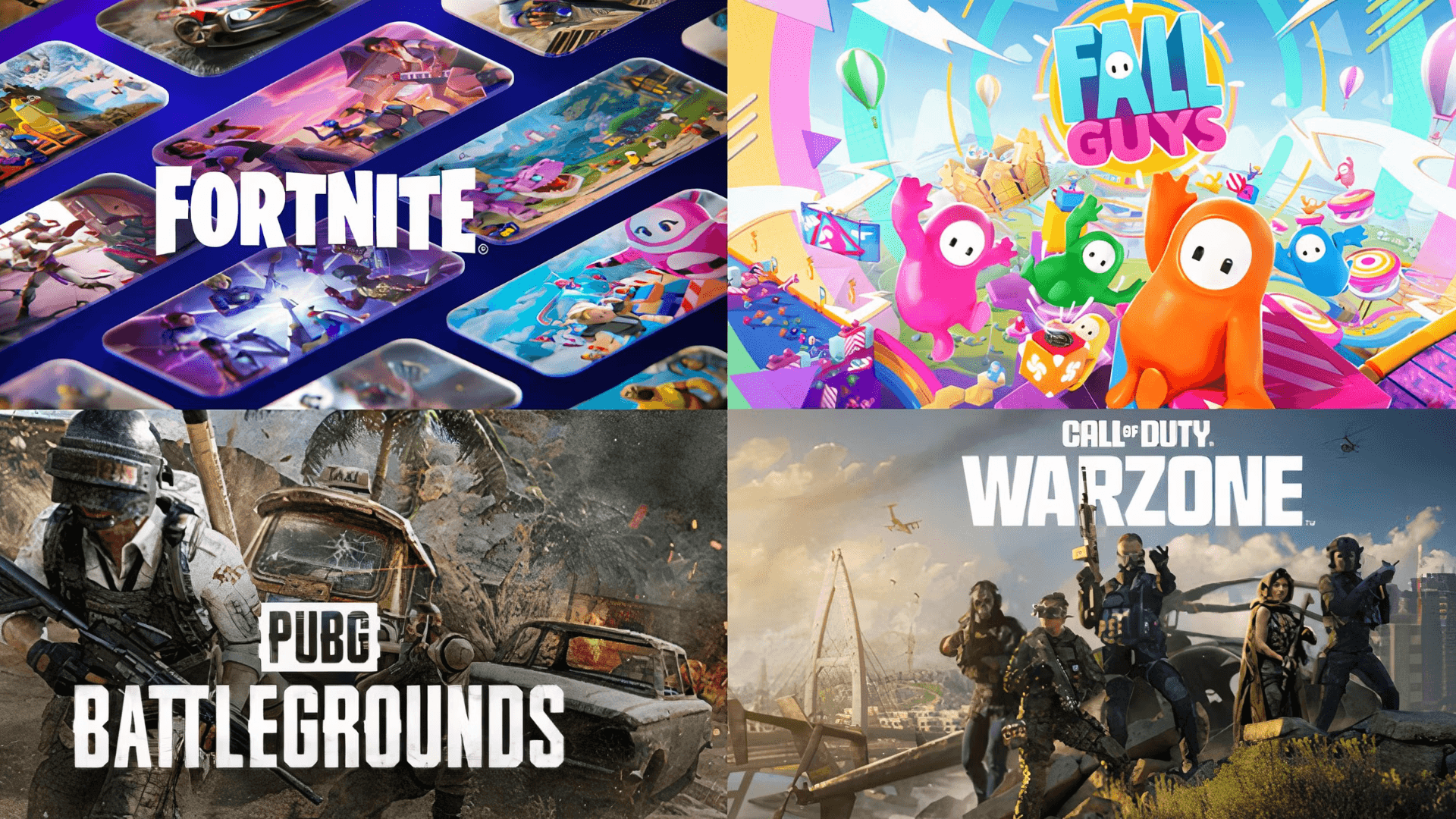
The use of generative AI in video games is one of the hottest topics in the industry right now, and a few weeks ago, the biggest game of the year so far, Crimson Desert, found itself at the center of controversy after it was discovered that some of the game’s paintings had been created using this technology.
Steam’s policy requires games to clearly indicate on their store pages if generative AI was used in their creation, but the use of these tools in the development process is not against the rules. Should studios then feel obligated to apologize for using such technology? This is a question that IGN recently posed to Taeseok Jang, a Korean developer and director at PUBG Studios.
“It’s a bit of a delicate question,” Jang replied. “But what I can tell you right now is that I am currently studying and monitoring the situation as well as the use cases of AI in the industry. Does this kind of situation only occur in the video game industry, or does it also affect the artistic sector or other industries? So, actually, as a fan, I don’t care. Because if they create good gameplay, I don’t care if they use AI for the graphics. It may be different from the developers’ or investors’ point of view, but yes, I can’t give you a precise answer on this because I am studying and analyzing the issue.”
It seems that PUBG Studios places more importance on the art of designing captivating gameplay than on the human touch of the game’s graphics. To some extent, this is understandable – Battlegrounds is an experience based almost exclusively on the timeless tension of its battles, loot system, and survival loop – but one cannot help but think that other aspects of game design should also be given equal consideration. The problem remains the general cost of AI, and the loss of work at the artistic design level. Especially since the result is often not good, nor even controlled to be better. The worst being that it personally makes me paranoid about what can be perceived or not.
So, what is PUBG’s position regarding the use of generative AI in its games? Jang responds: “Our position is that, fundamentally, our goal in using AI is to offer our users new and entertaining gaming experiences. We consider this to be a tool, just like Maya, which we have used in the past. There is no difference in the goal of this AI. So I think that AI will give us the freedom to focus on more entertaining gaming experiences, as it can offer us more freedom and time by automating repetitive tasks. So, when we create new gameplay, we don’t use AI much yet, but we are currently in the phase where we are looking to make it more useful to create new experiences for our users.”
“Automating repetitive tasks” certainly sounds appealing, but is it just a positive aspect for many negative aspects? Probably, in a balance, it weighs more for CEOs and business leaders, but I’m not sure the thousands of game developers who have already lost their jobs over the past year would agree.
However, AI technology seems to be more rooted in Krafton’s culture, PUBG’s parent company. The publisher is currently in the midst of a long and costly lawsuit with Unknown Worlds, the developers of Subnautica 2, in which the subsidiary studio claimed that Krafton’s CEO had used ChatGPT to “help him think of ways to avoid paying the earn-out clause.” The bill would amount to a significant $250 million.
Recently, Krafton stated in a press release that, while remaining “focused on its core identity as a game developer,” the company would continue to “explore opportunities arising from its game technology.” It added that “since 2021, the company has mainly used AI technologies to enrich gaming experiences and improve development efficiency, notably through concepts such as CPCs (Co-Playable Characters). In October, KRAFTON announced its transition to an AI-focused company to implement workflow automation, with the aim of investing time and resources in creative game development.”
“In the future, Krafton evaluates how its game technology could eventually be applied to areas such as physical AI and robotics,” continued the press release. “These areas are seen as long-term exploration opportunities and not short-term business initiatives, drawing on Krafton’s experience in operating large-scale virtual worlds and physics-based simulations.” Krafton seems to be betting everything on the AI revolution.
What about you? Does AI bother you? Are you comfortable if you perceive it? What will you do if you like something produced by AI without realizing it before you are pointed out? Are you worried that you won’t be able to tell the difference?