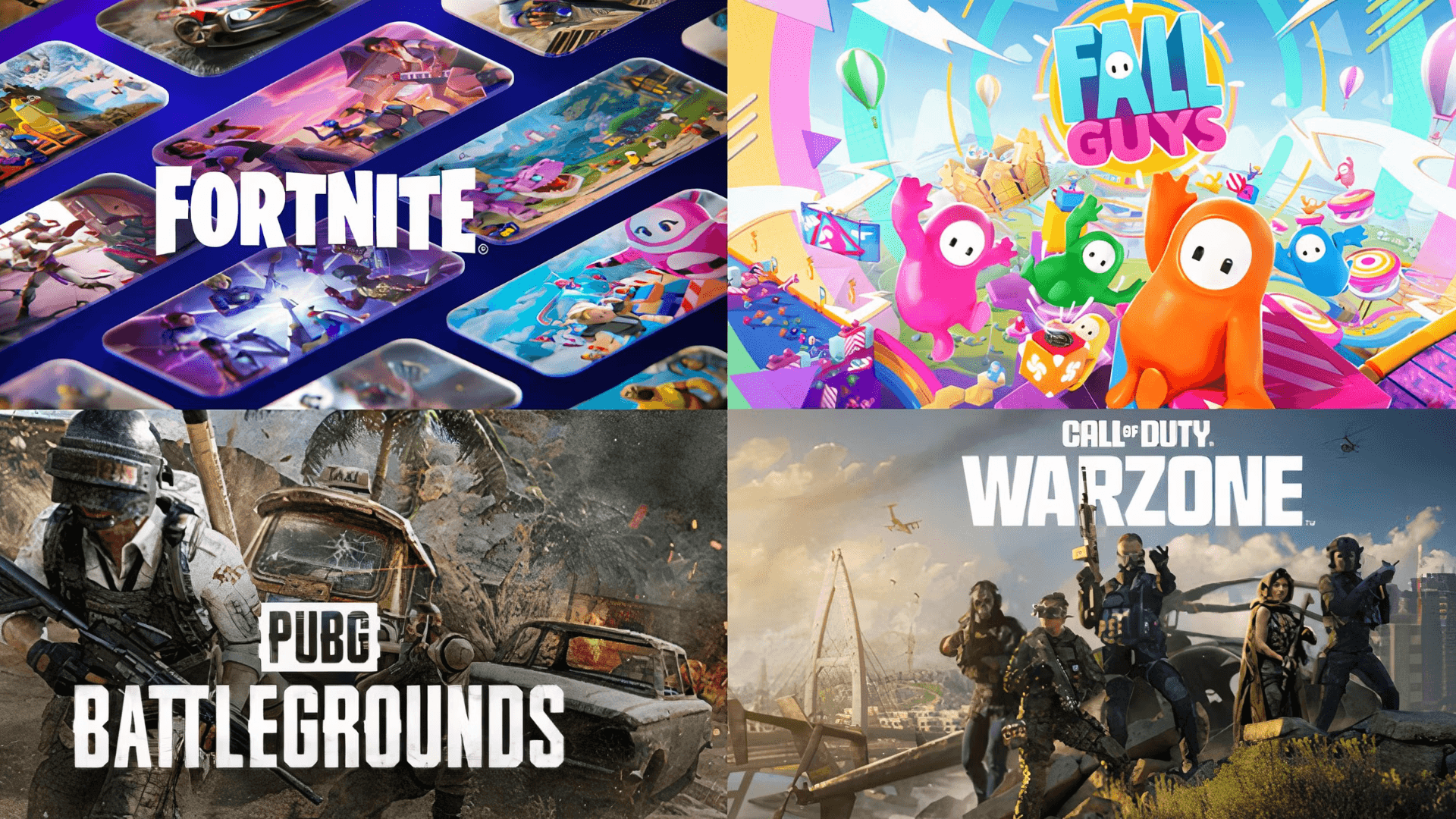
PUBG: Battlegrounds reached 1.34 million concurrent players in March of this year. This is not a game in decline. Yet, its intellectual property manager sits in a Seoul office, talking about Fortnite with sincere admiration, and sketching a future that closely resembles the game that once “borrowed” everything PUBG had built.
In a recent interview with Eurogamer, Taeseok Jang, head of PUBG’s IP franchise group at Krafton, outlined his vision for the future of battle royale. In short: more game modes, more brand partnerships, more user-generated content, and a respectful nod to the rival that was once accused of copying PUBG’s homework.
From trial to mirror
The story between PUBG and Fortnite is not exactly warm. Krafton sued Epic Games over the battle royale format, a legal battle that ultimately went nowhere. Now, Jang describes Fortnite as a model worthy of study, not combat.
“I have great respect for them, and I feel they are doing an excellent job,” he told Eurogamer. It’s a striking statement from the franchise manager who once tried to sue Epic to back off.
Here’s the thing: admiration is not blind. Fortnite’s situation is complicated. Epic raised V-Bucks prices in March, laid off over 1,000 developers, and its own executives acknowledged a significant drop in playtime by 2025. Statista estimates Epic’s gross revenue to be around $6 billion by 2025, which seems healthy until you consider the extent of these reductions. The game “remains the world’s biggest game on many fronts,” in the words of Epic’s Steve Allison, but the trajectory has raised questions.
Jang takes this context into account and still points to Fortnite’s structure as the right direction. The essential point is that he admires not so much Fortnite’s numbers but its model: a game that has become a platform, with diverse content, rotating modes, and brand partnerships layered on top of a core gameplay loop that keeps players coming back.
The platform game PUBG is heading towards
PUBG: Battlegrounds has already collaborated with Balenciaga, Lamborghini, and K-pop group Blackpink. The recently released Xeno Point added a roguelite PvE looter-shooter mode to the mix. A partnership with Payday, combining PUBG mechanics with Starbreeze’s structure, is planned for later this year. Jang also mentioned the potential for TV series, animations, and cartoons based on the PUBG license.
Functionally, this is Fortnite’s playbook. And Jang doesn’t shy away from saying it.
“You need different, varied content and different game modes to survive as a long-term service,” he said. “And I think it’s not just PUBG or Fortnite, or different companies or different IPs.”
He also referenced Roblox as part of this platform model, highlighting user-generated content as a direction PUBG is actively exploring alongside brand partnerships and licenses.
He is also not blind to the irony. Asked about PUBG’s cycle influencing Fortnite and now Fortnite influencing PUBG’s strategy, Jang emphasized that this is how the market works. He presented it less as borrowing and more as an industry-wide convergence on what truly sustains long-term player engagement.
What most players miss about the longevity of battle royales
Jang’s broader argument is that the battle royale genre has a structural advantage over other live service games. The format can absorb a large player base, offers a distinct gameplay experience that other genres do not replicate, and provides a foundation on which brand events and additional modes can build without breaking the core loop.
“What PUBG and Fortnite do really well is have their own unique gameplay character,” he said, noting that this core content is why both games can continue to offer varied experiences without losing their identity.
Extraction shooters like Arc Raiders and Marathon are currently generating considerable buzz, and the genre shift is real. But Jang does not see this as a threat to the battle royale as much as a reminder that the genre must continue to evolve rather than rest on its laurels.
With PUBG reaching 1.34 million concurrent players in March, Krafton has a solid foundation to work with. The question now is whether the platform strategy will bring the next phase of growth that Jang is convinced exists. For players, this means more modes, more collaborations, and a game that looks less and less like a single battle royale and more like a persistent world with a battle royale at its center. Be sure to explore more:
Games Guides Reviews News