The Minnesota Ag Commissioner said farm labor concerns are not new but the large immigration enforcement actions seen in Minnesota may impact operations.
SAINT PAUL, Minnesota — Do farms actually have the workers they need? Some groups say yes, pointing to migrant worker programs already in place. Others say immigration crackdowns could leave some farms short-handed.
“Certainly we’ve heard some concerns but, realistically, we haven’t seen any firsthand examples of those concerns coming to fruition,” said Dan Glessing, president of the Minnesota Farm Bureau Federation (MFBF).Â
Glessing said he’s talked to MFBF members who use the H-2A program which helps fill seasonal and temporary jobs by hiring workers from other countries.Â
“They’ve been in conversations with their workers. They’re ready to come for that seasonal work that they come up for every year, or come over for every year. So we haven’t really heard of much concern as far as a work shortage yet,” Glessing said.Â
“I think right now the labor situation isn’t really anything new for agriculture. It’s been an issue for the past decade,” said Jenna Untiedt, retail operations manager for Untiedt’s Vegetable Farm in Waverly.Â
Untiedt said they use the H-2A program. Their first set of employees arrived for the season.Â
But even with the proper legal documents, Untiedt said, “There is some concern with it because they’ve heard everything that has been going on here. So we’ve just really stressed to have their documents on them at all times if they do leave the farm. So that hopefully can help, but we also know that that hasn’t… made a difference in some situations.”
When it comes to undocumented workers, the numbers aren’t clear for Minnesota but according to the U.S. Department of Agriculture, more than 40% of hired crop farm workers in the U.S. hold no work authorization.Â
“These are individuals that have really built their life here in the U.S. working for farms, working in the agricultural sector. So we know that a lot of those people are afraid to go to work, unsure if they should go to work,” Untiedt said.Â
Garen Paulson, an extension educator specializing in Ag Business Management at the University of Minnesota, said a significant portion of hired labor on Minnesota livestock farms comes from H2-A and migrant workers, and any disruption in that labor supply would be concerning.
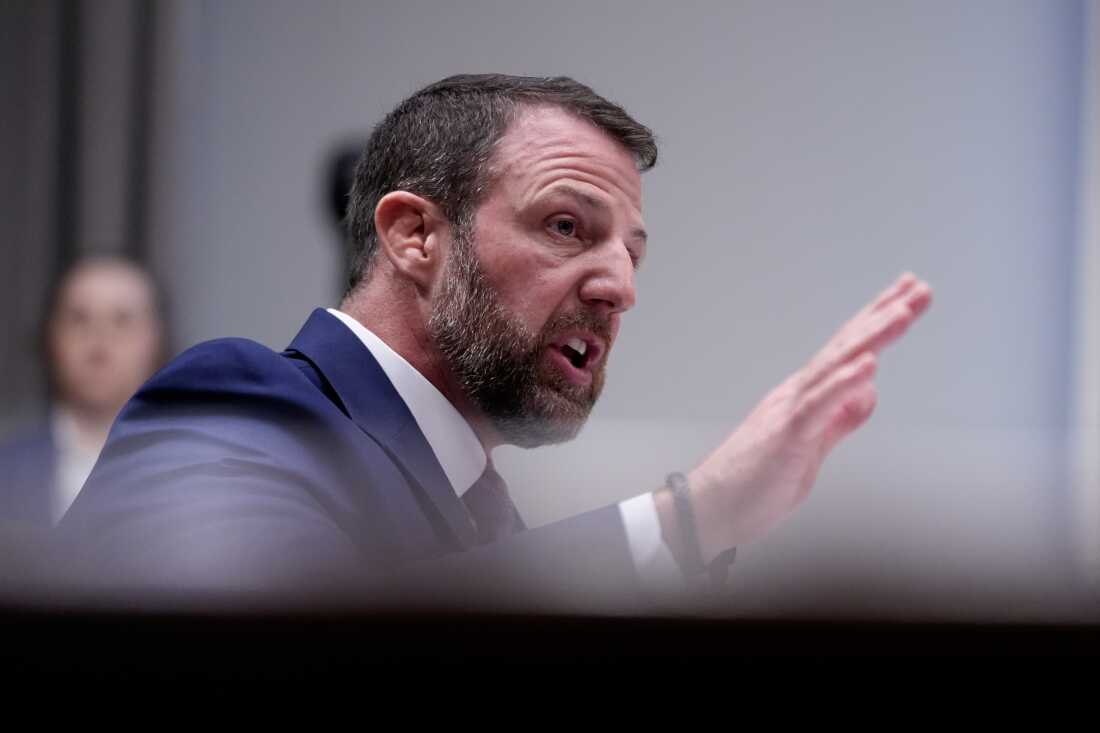
Minnesota Agriculture Commissioner Thom Petersen said in a statement, “Farm labor concerns are not new. We have a shrinking rural population in many areas of the state and that results in fewer workers to fill the many jobs on or near the farm. However, we also have migrant workers that could bypass Minnesota and easily find work in another state that hasn’t faced the large immigration enforcement actions we’ve seen in Minnesota. Our farmers are resilient and resourceful. They’ll need to rely on those two qualities to weather this latest issue.”