The diplomacy is escalating around the Iran-US conflict. Pakistani Foreign Minister Ishaq Dar traveled to Beijing on Tuesday to meet with his Chinese counterpart, Wang Yi, a visit that led to the publication of a joint initiative in five points aimed at ending hostilities.
This initiative includes an immediate cessation of fighting, the opening of humanitarian corridors, the start of peace talks respecting the independence of Iran and Gulf states, the halt of strikes on civilian infrastructure – including civilian nuclear facilities – the restoration of free movement for commercial ships, and finally, the conclusion of a comprehensive peace framework based on the United Nations Charter.
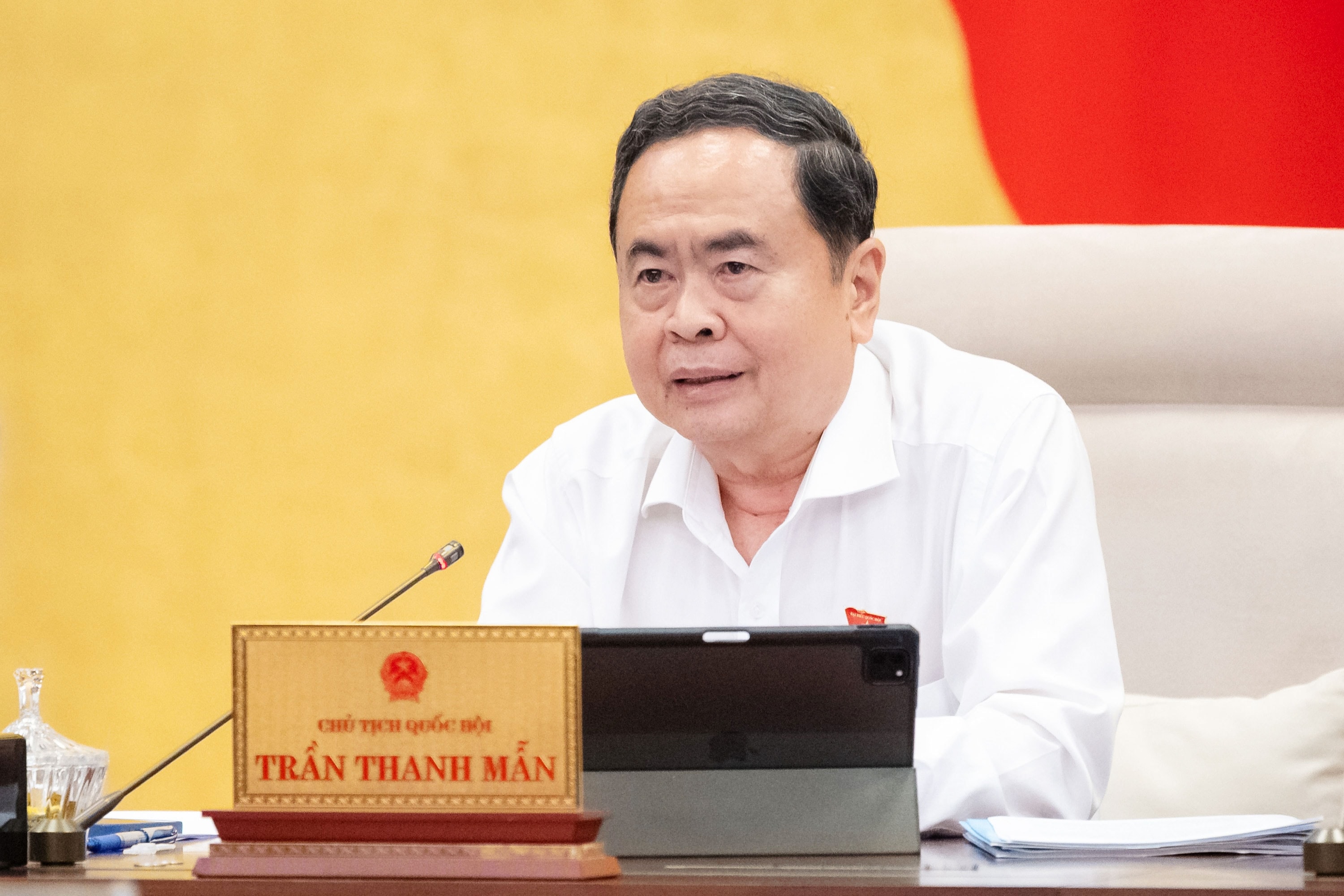
“This is clearly a balanced five-point initiative that we both agreed upon and would all be happy to approve,” Dar stated to Axios after the meeting. On the other hand, when asked about this move, Donald Trump simply mentioned that “negotiations with Iran are going well,” without commenting on the details of the Sino-Pakistani plan.
Pakistan, constrained mediator
Islamabad’s central role in this diplomatic effort is driven as much by ambition as by necessity. Pakistan shares a land border of some 900 kilometers with Iran, and the risks of conflict spilling over into the Balochistan province – already shaken by an insurgency – pose a direct threat to the country’s stability. Added to this are underlying sectarian tensions: Pakistan is home to the world’s largest Shia population outside of Iran, and dozens of people have lost their lives in protests triggered by initial American-Israeli strikes on Tehran.
According to the Quincy Institute for Responsible Statecraft, Islamabad cannot afford to pick a side: its economy and energy security are closely tied to the Gulf monarchies, while a recent defense pact with Riyadh could drag it into a wider conflict if Saudi Arabia escalates its military operations.
“Pakistan has significant stakes in the outcome of this war. We also have decades of engagement with Washington’s military and foreign policy establishments, which means there is a common language and level of mutual understanding facilitating this kind of sensitive diplomacy,” explained Jamal Aziz, Executive Director of the Pakistani think tank Research Society of International Law, to the Quincy Institute.
A regional coalition with divergent interests
Prior to the Sino-Pakistani meeting, Islamabad had held a two-day gathering on Sunday bringing together Foreign Ministers from Saudi Arabia, Egypt, and Turkey. According to the Quincy Institute, these discussions focused on de-escalation and the possibility of hosting direct negotiations between Washington and Tehran on Pakistani soil.
The disruption of the Strait of Hormuz – through which nearly a fifth of global oil supply passes – has already caused an increase in energy prices, threatening global supply chains and exacerbating the risks of inflation and food insecurity.
This coalition of constraints, however, does not form a unified bloc. Riyadh is mainly concerned with its security and the stability of the oil market. Ankara is defending its strategic autonomy. Cairo, as Egyptian researcher Mahmoud M. Abdallah cited by the Quincy Institute noted, seeks to establish itself as an essential intermediary while signaling that the stakes go well beyond the battlefield. “The summit reflects a collective recognition that de-escalation is imperative,” he assessed.
The structural limits of the process
Several major obstacles hinder these efforts. The Quincy Institute identifies four: the lack of trust between Iran and the United States, Israel’s absence from any negotiation process despite its central role in the conflict dynamics, Washington’s strategic ambiguity signaling an openness to dialogue while maintaining military pressure, and the risk of external pressures gradually reducing the maneuvering room of regional actors.
Beijing’s emergence as a co-mediator represents a notable geopolitical shift, according to Axios. As Iran’s top trading partner and main buyer of its oil, China holds real influence in Tehran and an evident economic interest in seeing the conflict resolved.
Furthermore, Trump is set to visit China in May, after a trip postponed due to the war. Beijing’s position so far has been one of careful neutrality, focused on calls for a ceasefire and ensuring the passage of its own oil tankers through the Strait of Hormuz. Its more direct engagement with Islamabad marks a significant turning point – the actual impact of which will depend on the willingness of the main belligerents to participate.