The British pound fell against a generally stronger US dollar on Monday as escalating geopolitical tensions between the United States and Iran increased uncertainty in the markets.
This movement followed the failure of negotiations between Washington and Tehran, with American President Donald Trump announcing that the US Navy would begin to block the Strait of Hormuz.
The decision came after both parties were unable to reach an agreement to end the war, jeopardizing a fragile two-week truce.
According to the US Central Command, forces would start implementing the blockade of all maritime traffic entering and leaving Iranian ports from 10:00 ET on Monday.
The development heightened concerns about global energy supply, given the strategic importance of the Strait of Hormuz.
The pound has traditionally weakened against the dollar during periods of increased tensions between the US and Iran, reflecting the UK’s dependence on energy imports and its economic sensitivity to rising fuel costs.
Tommy von Brömsen, FX strategist at Handelsbanken, said, “Even if we get a resolution to the conflict… it is likely that higher energy prices will persist.”
He added, “I think the pound and the euro are not in a very good position right now.”
The pound was last down 0.2% at $1.3429, after gaining over 2% the previous week, its strongest weekly performance since March 2025.
Against the euro, the pound remained largely steady at 87.02 pence.
The surge in energy prices due to tensions in the Middle East has fueled inflationary pressures and raised concerns about global economic growth.
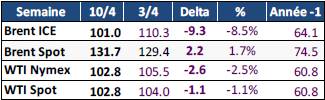
Brent futures soared by around 8% on Monday, trading above $102.50 per barrel.
The rise in oil prices has prompted monetary market operators to reassess their policy rate expectations in the UK.
Markets are now pricing in potential rate hikes by the Bank of England, while most brokerage houses do not anticipate borrowing cost increases in 2026.
Bank of England Governor Andrew Bailey had previously warned that markets could be overestimating the likelihood of rate hikes, suggesting that these expectations could be premature.
However, recent developments in energy markets have complicated the outlook.
Sterling interest rate futures currently imply almost two 25 basis point rate hikes in 2026, a significant change from earlier expectations before the conflict, when investors foresaw two rate cuts during the year.
Moyeen Islam, senior rates strategist at Barclays, said, “The deterioration due to the rise in energy prices you have observed in inflation conditions, or in short-term expected inflation conditions, by the end of the year seems significantly more serious than before.”
He added, “I find it hard to imagine a return to pricing anticipating cuts for 2026.”
The combination of geopolitical risk, rising energy costs, and evolving monetary policy expectations has made the pound vulnerable in global currency markets.
In a context of uncertainty about the duration of the conflict and its economic repercussions, investors remain cautious about the pound’s short-term trajectory.