The IHL defines three fundamental principles governing the conduct of hostilities, that is, combat between parties to the conflict: distinction, proportionality, and precautions. These principles are customary in nature and must be respected at all times by all parties – states, non-state armed groups, and civilian individuals directly participating in hostilities – in all armed conflicts, whether international or not. Certain categories of persons and property, such as medical units, means of transportation, and civilian survival essentials, as well as facilities containing hazardous forces, receive additional, stricter protection measures (see below the issue of protecting civilian infrastructure).
The principles and rules governing the conduct of hostilities apply in all cases where combat occurs in the context of armed conflict, whether on land (ground operations), in the air (aerial warfare), at sea (naval warfare), in the cyber realm (cyber operations), and in outer space.
The principles and rules of IHL governing the conduct of hostilities aim to protect the civilian population from the effects of hostilities by striking a balance between military necessity and humanitarian considerations, through prohibitions and restrictions concerning weapons, means, and methods of warfare employed by parties to the conflict.
The principle of distinction requires parties to always distinguish between combatants and civilians, as well as between military objectives and civilian property, such as homes, civilian infrastructure, and the environment. Parties can only direct their attacks towards combatants, never civilians, and may target only military objectives, not civilian property. Indiscriminate attacks, which are not directed at specific military objectives in accordance with the rules, that cannot be targeted in such a way, or whose effects cannot be contained as required by international humanitarian law, are also prohibited. Threats of violence primarily designed to spread terror among the civilian population, as well as using famine as a method of warfare against civilians, are also forbidden.
Attacks directed at combatants or other military objectives must adhere to the principle of proportionality. This means that launching an attack expected to cause incidental loss of civilian life, injury to civilians, or damage to civilian property that is excessive in relation to the expected concrete and direct military advantage is prohibited. In other words, any attack on a military objective must be preceded by an assessment that concludes that civilian losses and damage are not disproportionate to the expected military advantage.
The precautionary principle requires all parties to an armed conflict to constantly ensure the protection of the civilian population and civilian property from the effects of military operations. Given the significant risk of civilian harm in attacks, IHL imposes detailed obligations on those planning, deciding, or carrying out attacks. Particularly, all possible precautions should be taken to:
– Verify that targets are military objectives; – Avoid and, in any case, minimize incidental civilian loss of life, civilian injury, and damage to civilian property; – Assess whether the attack is likely to violate the proportionality rule; – Cancel or suspend an attack if it appears to violate the principle of distinction or the proportionality rule; – Provide timely warnings by effective means in case of attacks that could affect the civilian population.
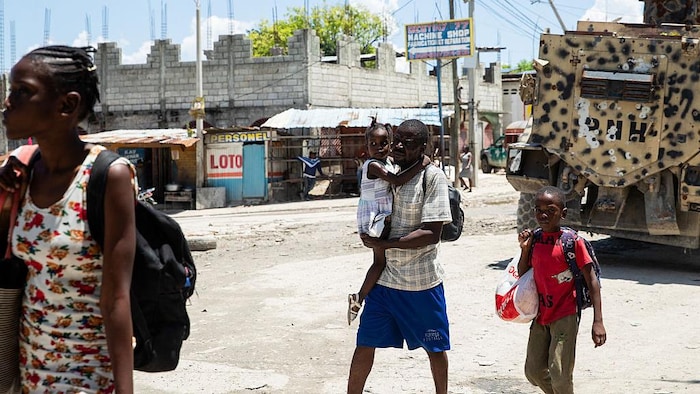
IHL also demands that parties to the conflict protect the civilian population and civilian property under their authority from the effects of attacks. In cities, military and civilian persons and property are often closely intertwined. For parties to hostilities in urban or other populated areas, this mix presents significant challenges, both militarily and in avoiding harm to civilians. As urban warfare poses specific dangers to civilians, the protection provided by IHL principles and rules is crucial.

/2026/06/19/6a3532d63e01d848161497.jpg "REPORTAGE. Au plus grand salon mondial de larmement, larmée opte pour le 100% Français")