Overwatch‘s cast of colorful and cartoonish characters made it a quick favorite with players, who thoroughly embraced the stylized visual aesthetic. It’s only gotten more complex and rich over time, with new character designs and aspects coming into play alongside fresh additions to the cast or changes to the overall look. However, there’s one aspect of Overwatch‘s character design that has remained somewhat controversial for over a decade at this point.
Early in the game’s run, Tracer — a quick fan favorite among players — was given a tweaked victory pose meant to make the character feel less overtly sexualized. This set off a long-running debate in the community that has ranged from silly to serious — as well as established a conspiracy theory among some fans that Blizzard had “nerfed†Tracer by changing her character design to make her butt smaller. This conspiracy just got new life thanks to the Overwatch and Fortnite crossover, especially because Tracer’s design for the Epic Games title has a seemingly far more pronounced backside. It may seem weirdly goofy and sophomoric, but the debate over Tracer’s butt says a lot about modern gaming.
Some Overwatch Fans Think Blizzard “Nerfed†Tracer’s Backside
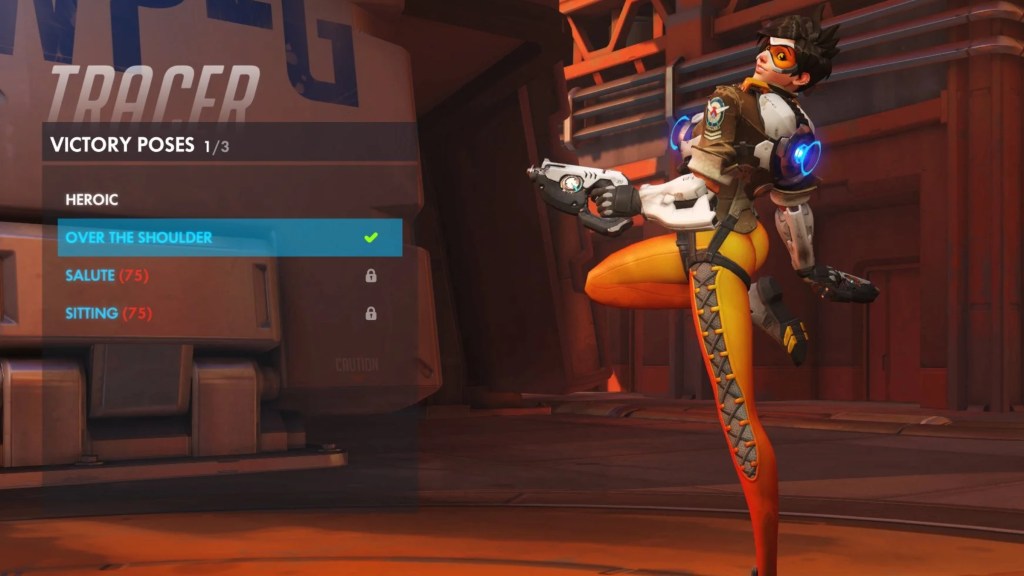
The Overwatch community has spent the last decade embroiled in all sorts of debates and discussions — but the most enduring might be the discourse surrounding Tracer’s backside. The debate began a decade ago when Overwatch came onto the scene and shifted the conversation on the fighting genre in a major way. As one of the more popular characters among the fandom, Tracer’s victory stance came under fire from some players who felt it was too sexualized. While it was just part of an overarching conversation about how women were presented in the game overall, Tracer became a flashpoint for the discussion when her victory pose was reworked to put less emphasis on her butt.
The discourse only grew after that, with some fans accusing Blizzard of “nerfing†the character while others embraced this shift in how female characters were being presented in the game. This all came about not too long after “Gamergate†pointed a harsh light at certain corners of the gaming industry and fandom, who used plenty of excuses to target female creators and players in ways that sometimes openly embraced misogynistic mentalities. The argument over Tracer’s backside speaks to larger discussions in the overall gaming fandom, highlighting the way developers have been increasingly accepting player feedback into their game development.
It also came ahead of the controversies that would come out about Blizzard’s internal policies, leading to a change of some senior staff members in light of serious allegations of sexual harassment among the “frat boy†culture that had developed at the studio. Seeing Blizzard address Tracer head-on seemed in retrospect to be part of a greater shift in Blizzard’s thinking. The debate over Tracer may have far fewer real-world consequences than that controversy, but it speaks to how pervasive this kind of discourse can be in modern gaming.
Fortnite Reignited One Of Overwatch’s Oldest Debates

The debate has lingered largely as a memetic discourse among fans but received renewed attention with the Overwatch characters making the leap into Fortnite. The team at Epic Games adapted the Overwatch characters for their specific art style, in the process giving Tracer a much more pronounced backside than her current model in her base game. This has prompted plenty of jokes from players in both fandoms, noting that Fortnite had “the courage to do what Blizzard wouldn’t†and other similar jokes. This also notably comes in the years since Blizzard has overtly moved to get beyond their more jaded past, putting an emphasis on inclusivity and sensitivity for a broader subsection of players.
Overwatch director Jeff Kaplan had even addressed the issue earlier this year and claimed that Tracer’s butt had never been “nerfed,†only that her victory pose had been tweaked to put less emphasis on it. This had only refueled the debate among some players, with Fortnite‘s Overwatch inclusion only adding fuel to the fire. Fortnite may have been leaning into the controversy for the sake of a joke — Tracer’s butt does look notably bigger in her Fortnite model compared to her standard Overwatch design.
The resurgence of the Tracer debate and the newfound claims that Epic Games “buffed her butt†is a reminder that even the smallest of details or tweaks can get lodged into the minds of the player base, setting the stage for decade-long conversations and conflicts. The Tracer “nerfed†conversation may never truly be done in the Overwatch fandom, especially now that Fortnite has thrown its own perspective into the discourse. It’s a debate that shows no sign of going away, especially in light of how much more overt gender politics and debates over representation in gaming have grown in the last decade.