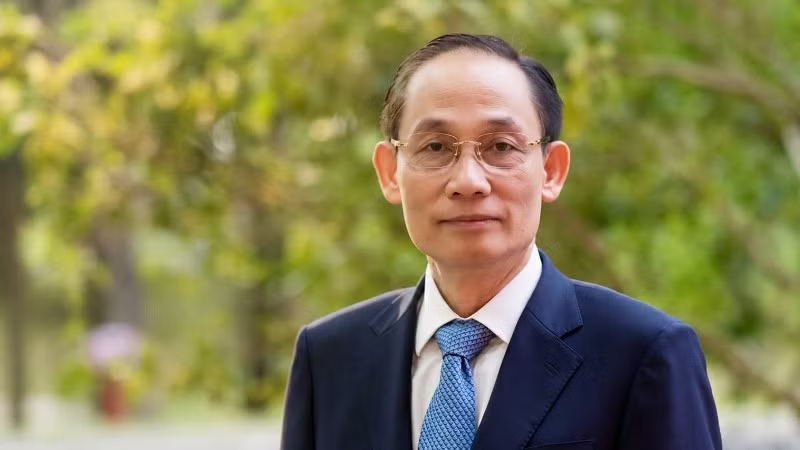
Ten key policy groups for developing national culture
As part of the first session of the XVIe legislature of the National Assembly, the deputies examined, this morning of April 20, the draft Resolution on the development of Vietnamese culture. Presented by the Minister of Culture, Sports and Tourism, Lâm Thi Phuong Thanh, this text proposes ten groups of major policies serving the development of this essential sector.
>> Culture at the heart of Vietnam’s development strategy
>> Vietnamese culture conquers the world
>> Ho Chi Minh City accelerates the development of its cultural industries
>> Major issues at the heart of the second phase of the first session
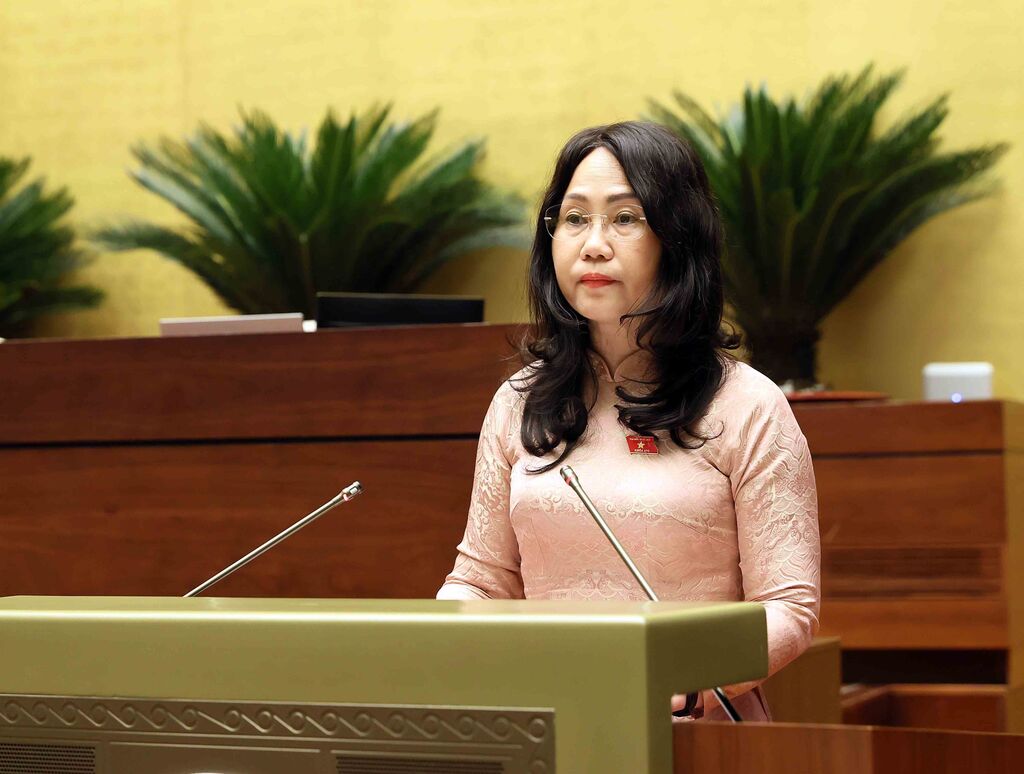 |
| Minister of Culture, Sports and Tourism, Lâm Thi Phuong Thanh, presents the draft Resolution on the development of Vietnamese culture. |
| Photo : VNA/CVN |
In terms of financial resources, the State undertakes to guarantee that at least 2% of the total budget is devoted each year to culture, while encouraging the participation of the private sector. To attract these investments, the draft resolution provides for concrete measures such as easier access to land and tax reductions for the creation of zones dedicated to creative industries. In addition, certain local sports and cultural facilities could be entrusted directly to communities for their management and operation.
Regarding investment incentive policies, the draft resolution suggests applying a value added tax reduced to 5% for the production and distribution of films, exhibitions and artistic shows. A total exemption from customs duties is envisaged for the non-profit repatriation of major works of art and national treasures purchased at auctions abroad. Furthermore, experiments on models of heritage cities could see the light of day, while land and Unused public offices would be reallocated as a priority to cultural and leisure projects.
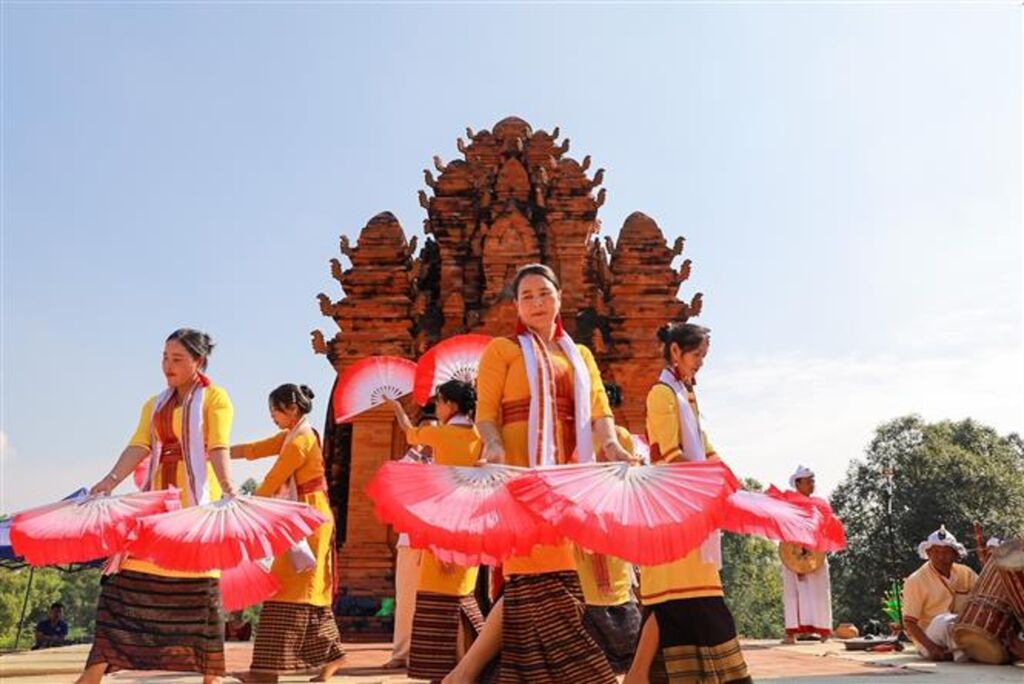 |
| A cultural space of Cham temples and towers in the province of Khanh Hoa (Center). |
| Photo : VNA/CVN |
The draft resolution also emphasizes the preservation of the heritage of ethnic minorities, folk arts and precious ancient objects. To support creation, the State provides mechanisms for ordering works of high artistic and intellectual value, as well as aid to promote the country’s image internationally via cultural weeks or exhibitions in major world museums. A notable aspect is the desire to declare November 24 as the Day of Vietnamese culture, which would one day become a paid holiday for workers.
In terms of technology, priority is given to the digital transition with the creation of a national database and the digitization of sites classified as national heritage. These digital infrastructures should allow the emergence of new centers of cultural innovation across the country.
Evaluating the draft resolution, the Committee on Culture and Social Affairs of the National Assembly expressed its support for the proposals presented, while emphasizing the need to clearly define certain concepts, such as that of “heritage city”.
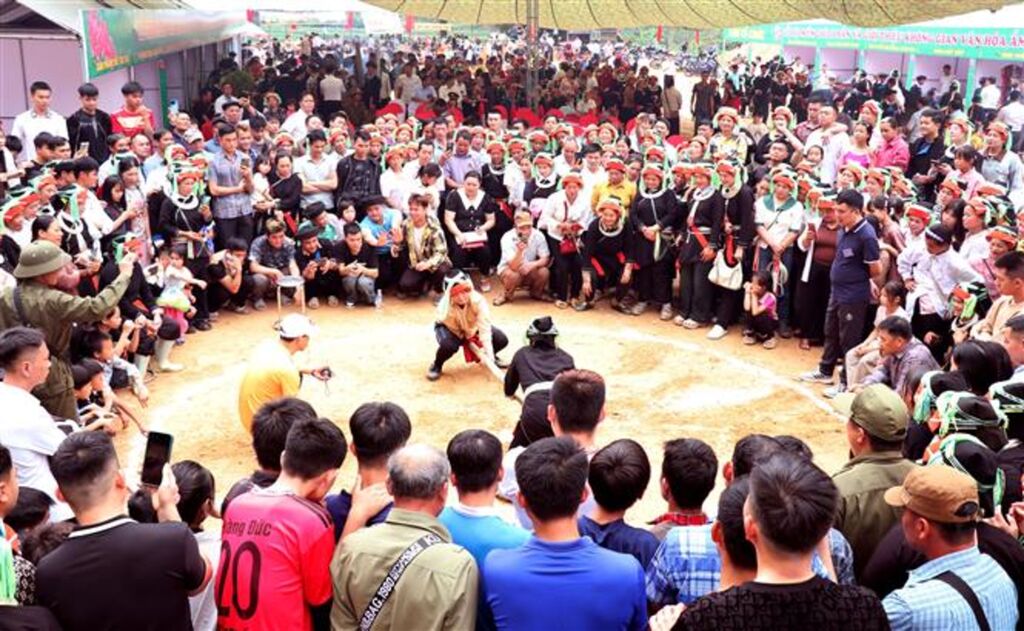 |
| November 24 is Vietnamese Culture Day, which would become a paid holiday for workers. |
| Photo : VNA/CVN |
The Commission also calls for rigorous management of public funds, particularly regarding financial aid for foreign filming in Vietnam or the creation of a future fund for the arts based on a public-private partnership. The final objective remains to ensure a balance between the necessary support for creation and effective budgetary administration.
VNA/CVN