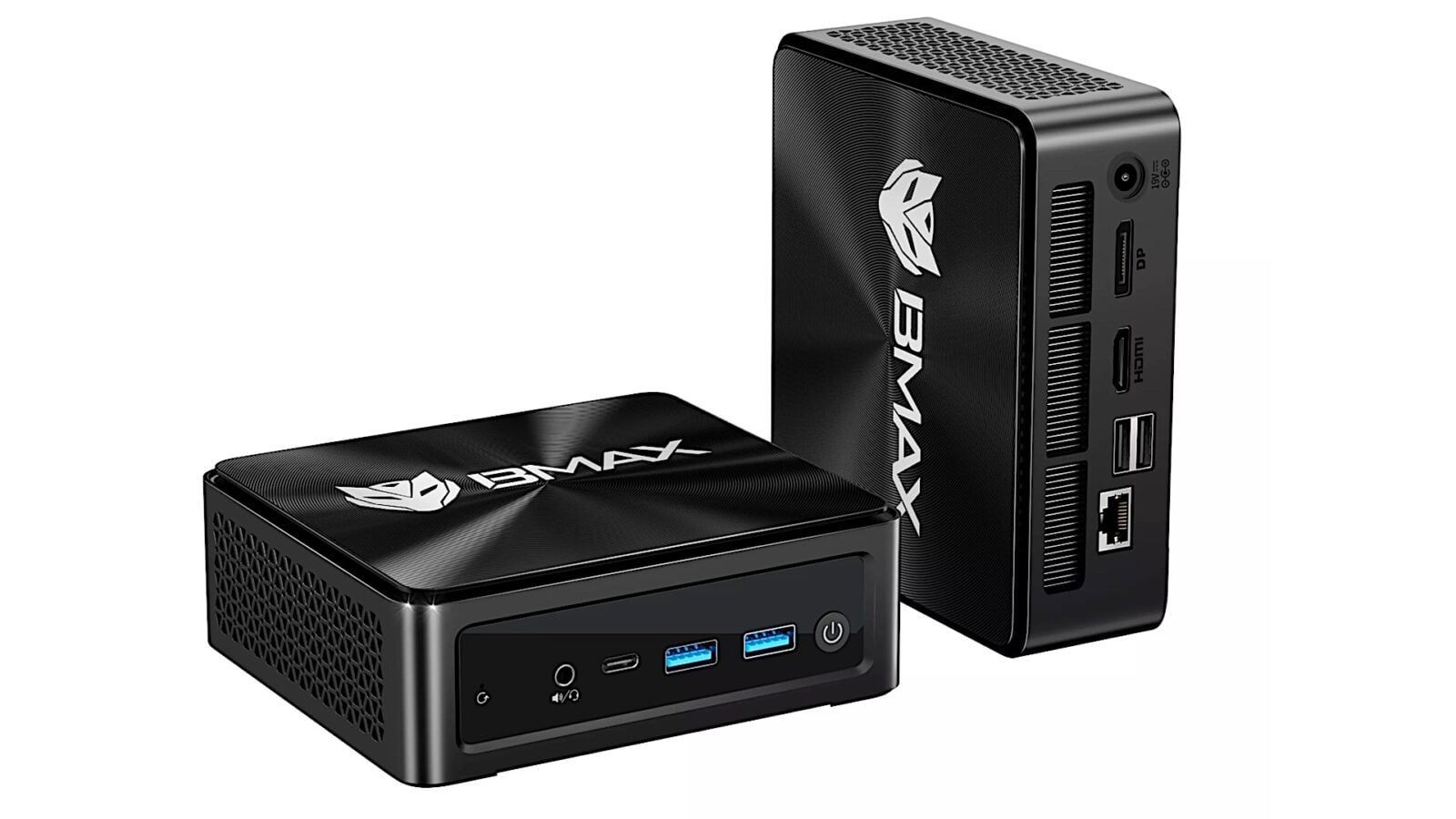
Amazon is in talks to sell its proprietary AI chips to external customers operating data centers. This move could mark a major shift in the balance of power in the artificial intelligence infrastructure market and intensify competitive pressure on Nvidia.
According to available information, this initiative would expand the current business model, in which Amazon’s custom chips, such as Trainium,are mainly used within Amazon Web Services (AWS). The company now plans to make these chips available to other entities developing their own AI infrastructure.
At first glance, this may seem like a natural evolution of AWS’s ecosystem strategy, but the broader implications are considerable. If Amazon markets its own AI accelerators, it would move from being a closed cloud infrastructure provider to being a direct competitor in the semiconductor market, a sector currently dominated by Nvidia.
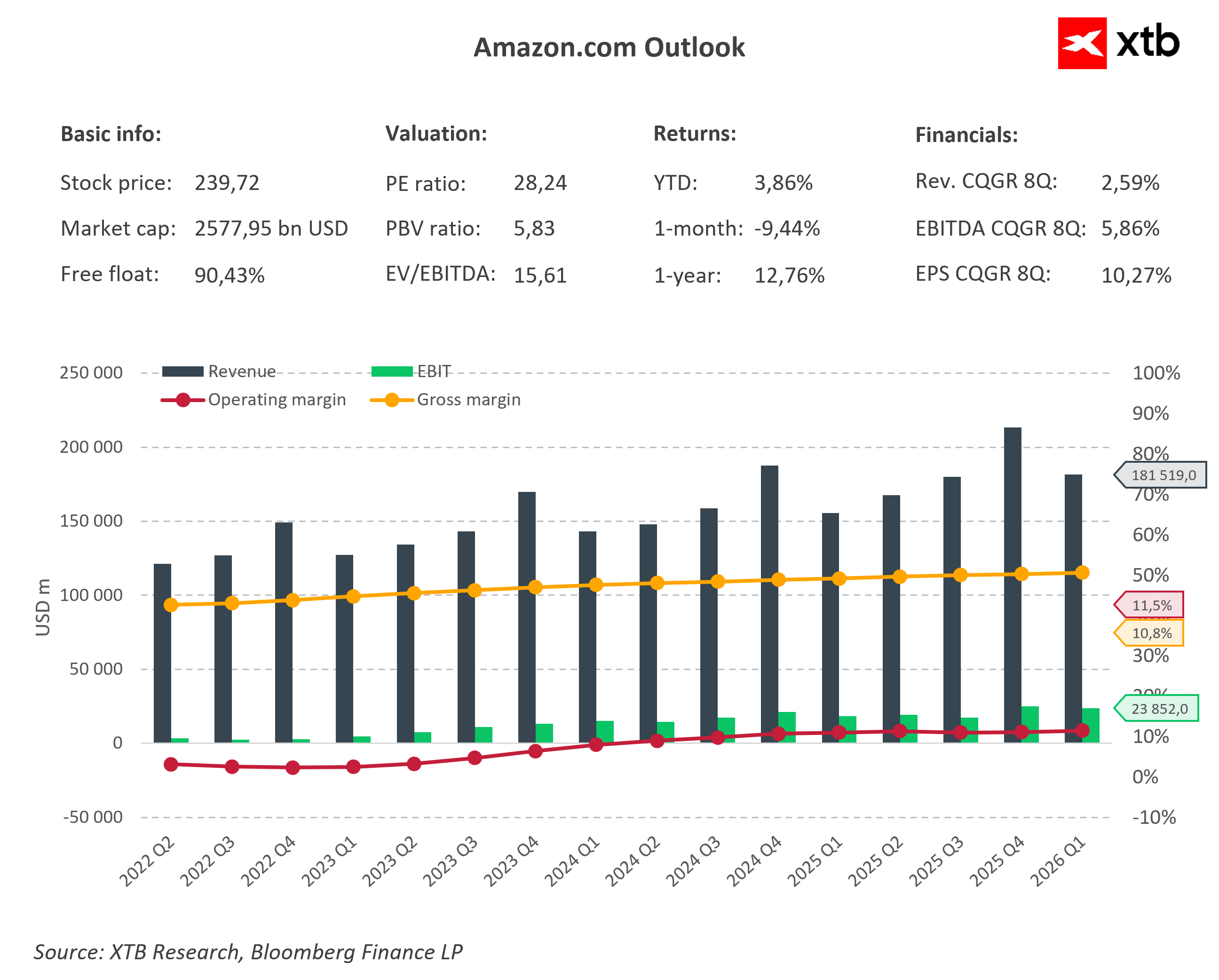
A long-term evolution of the structure of technological demand
From Nvidia’s perspective, the main threat is not an immediate risk of loss of revenue, but a fundamental shift in market demand over the long term.
The traditional model of hyperscalers: For years, Nvidia’s exponential growth model relied on hyperscalers such as Amazon, Microsoft, Google and Meta acting strictly as bulk buyers of its GPUs, rather than direct competitors. This dynamic guaranteed Nvidia considerable pricing power and protection from competition.
The new era of dual competition: Amazon’s entry into the commercial chip market accelerates the emergence of a more complex model, in which cloud giants not only rent computing capacity, but also design, manufacture and distribute batteries alternative hardware dedicated to AI. Concretely, Amazon ceases to be a simple customer of Nvidia to become a partial competitor.
This trend reflects a macroeconomic shift that is sweeping the entire technology sector. Hyperscalers are aggressively increasing their investments in custom chips to guard against supply shortages, mitigate surging Nvidia-related costs, and optimize efficiency for specialized in-house workloads. The potential commercialization of these proprietary chips represents the next step in this strategy: moving beyond captive consumption to capture open market share.
Â
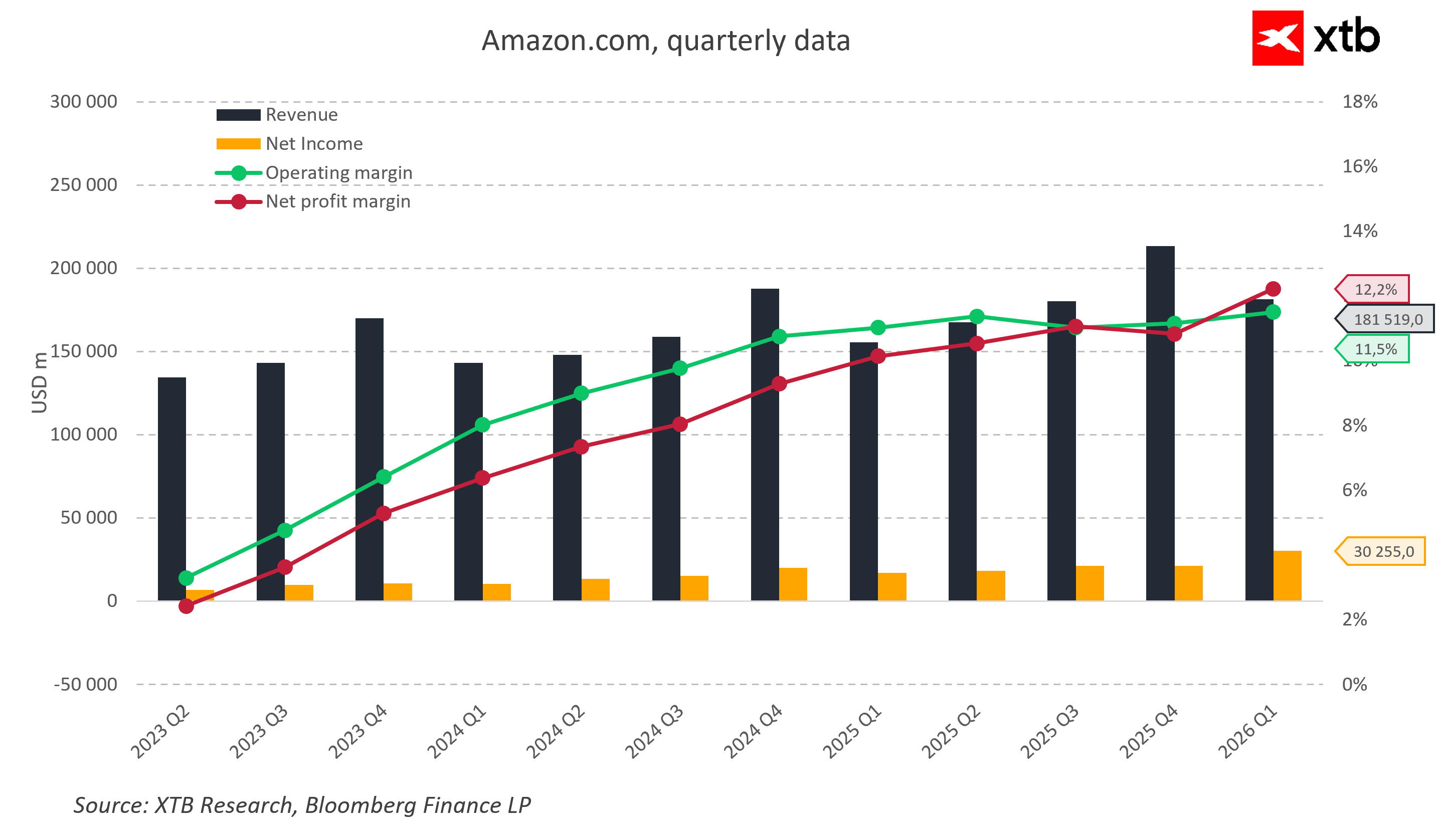
Strategic alternatives for AWS infrastructure
Amazon’s chip division is already experiencing dynamic growth under the AWS umbrella. The company is currently deploying a two-pronged strategy: it is rapidly evolving its own architecture while simultaneously using Nvidia’s cutting-edge systems. This demonstrates that Amazon is not abandoning Nvidia in the short term, but that it is systematically equipping itself with a secondary alternative in order to strengthen its future independence in terms of supply.
For Wall Street investors, the crucial question is whether this is simply an extension of internal optimization of AWS infrastructure or the kickoff of a broader corporate strategy in which Amazon would compete directly with Nvidia for the sale of raw chips to third-party data centers.
In the long term, the importance of this development goes well beyond a new source of hardware-related revenue for Amazon. If successful, this could gradually erode Nvidia’s near-monopoly – not through a direct price war, but by structurally decentralizing the way the world’s AI infrastructure is designed, deployed and used.
Â
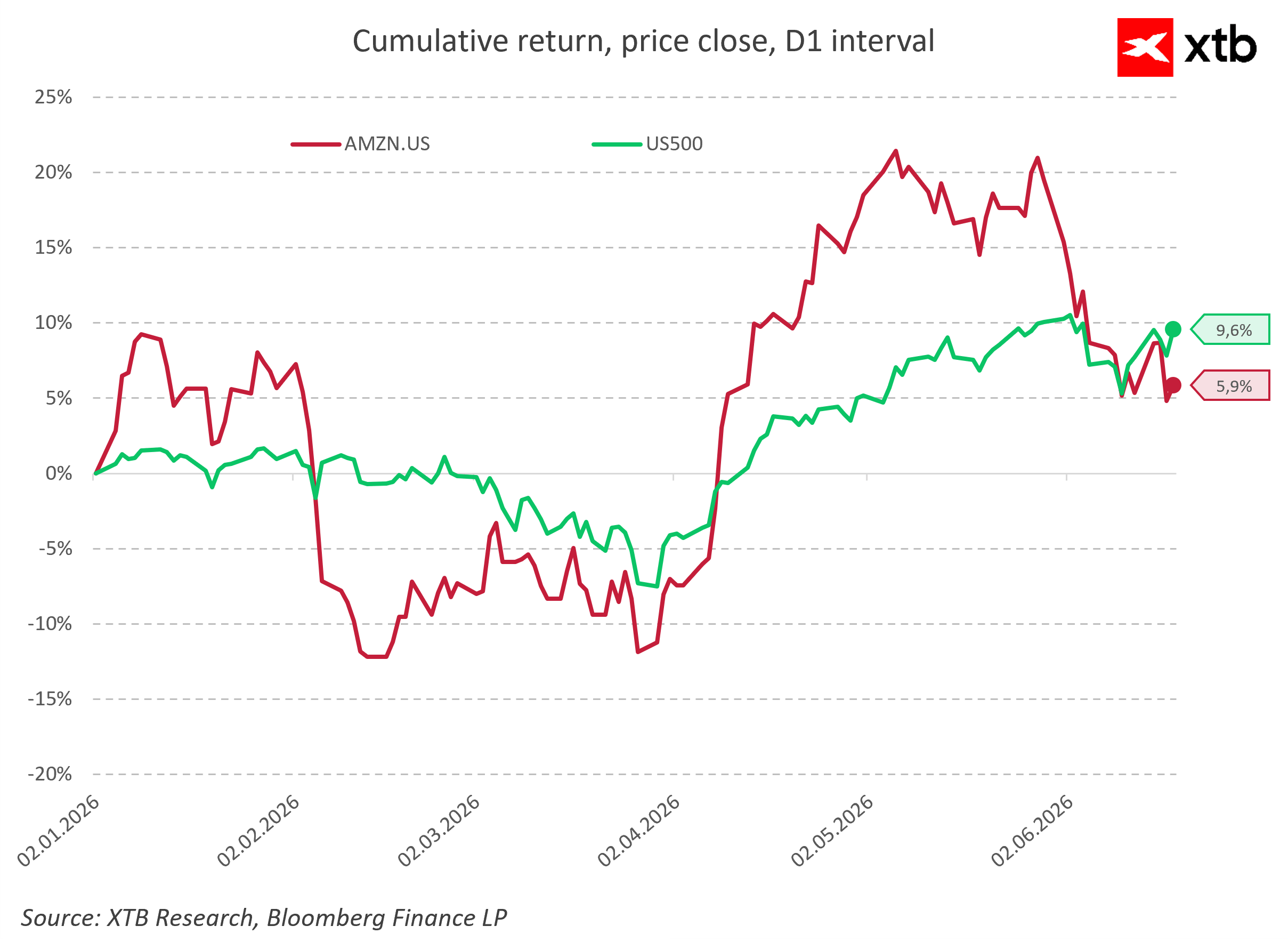
Current market situation
For now, Nvidia’s competitive advantage remains exceptionally strong. The company continues to set the performance benchmark for high-end AI acceleration, and the vast majority of cloud ecosystems remain closely tied to its proprietary CUDA software stack. Nonetheless, Amazon’s exploratory move represents another clear sign that the AI hardware market is moving inexorably toward increased fragmentation and deep vertical integration among mega-cap cloud providers.
“This content is a marketing communication within the meaning of Art. 24(3) of Directive 2014/65/EU of the European Parliament and of the Council of 15 May 2014 on markets in financial instruments and amending Directive 2002/92/EC and Directive 2011/61/EU (MiFID II). The marketing communication is not an investment recommendation or information recommending or suggesting an investment strategy within the meaning of Regulation (EU) No. 596/2014 of the European Parliament and of the Council of 16 April 2014 on market abuse (Market Abuse Regulation) and repealing Directive 2003/6/EC of the European Parliament and of the Council and Commission Directives 2003/124/EC, 2003/125/EC and 2004/72/EC and Commission Delegated Regulation (EU) 2016/958 of 9 March 2016 supplementing Parliament Regulation (EU) No. 596/2014 European Parliament and of the Council with regard to regulatory technical standards relating to technical arrangements for the objective presentation of investment recommendations or other information recommending or suggesting an investment strategy and for the disclosure of special interests or indications of conflicts of interest or any other advice, including in the field of investment advice, within the meaning of article L321-1 of the Monetary and Financial Code. All information, analyzes and training provided are provided for informational purposes only and should not be interpreted as advice, a recommendation, a solicitation for investment or encouragement to buy or sell financial products. is made and the resulting consequences, the final investor remaining the sole decision-maker regarding the position taken on his XTB trading account. Any use of the information mentioned, and in this regard any decision taken in relation to a possible purchase or sale of CFDs, is subject to the. sole responsibility of the end investor It is strictly prohibited to reproduce or distribute all or part of this information for commercial or private purposes. Past performance is not necessarily indicative of future results, and any person acting on the basis of this information does so entirely at their own risk. have a high risk of losing capital quickly due to leverage. 74% of retail investor accounts lose money when trading CFDs with this provider. You should ensure that you understand how CFDs work and can afford to take the likely risk of losing your money. invested.”