For Maryam Amini’s family, Persian New Year has always been an important date on their calendar.
Every year, they would come together to share laughter and well wishes to mark the arrival of spring as part of the historic and cultural celebration of Norouz.
But for the first time since the family settled in Canada over thirty years ago, they broke with this tradition last month because Norouz coincided with the deadly war raging in Iran, their home country.
“The decision not to celebrate this holiday was deliberate, and the reason was that we felt so hopeless,” explained Ms. Amini in an interview. “We did not see anything good coming out of all this.”
Ms. Amini, who lives in Thornhill, Ontario, indicated that the cancellation of Norouz celebrations was just one example of how the war, thousands of kilometers away, has affected her daily life in Canada.
“I couldn’t eat properly, sleep properly, or even be very productive,” said the 43-year-old woman. “It was very, very difficult to keep a level head.”
The intense bombing of Iran by the United States and Israel also reignited the traumas she has carried since childhood when she witnessed the Iran-Iraq war in the 1980s, she emphasized.
“My nervous system was shot,” added Ms. Amini. “My very first childhood memories are actually of bombs falling and clouds of smoke rising.”
She mentioned that she was born and raised in Tehran and seeing photos of the city’s destruction had “really upset” her.
Ms. Amini works in a construction company but has been on extended sick leave awaiting surgery.
She explained that she was already suffering from moderate depression due to her pain and health condition, but a week after the start of the war, her anxiety reached new heights, prompting her doctor to prescribe her anti-anxiety medication for the first time in her life.
Unconclusive Talks
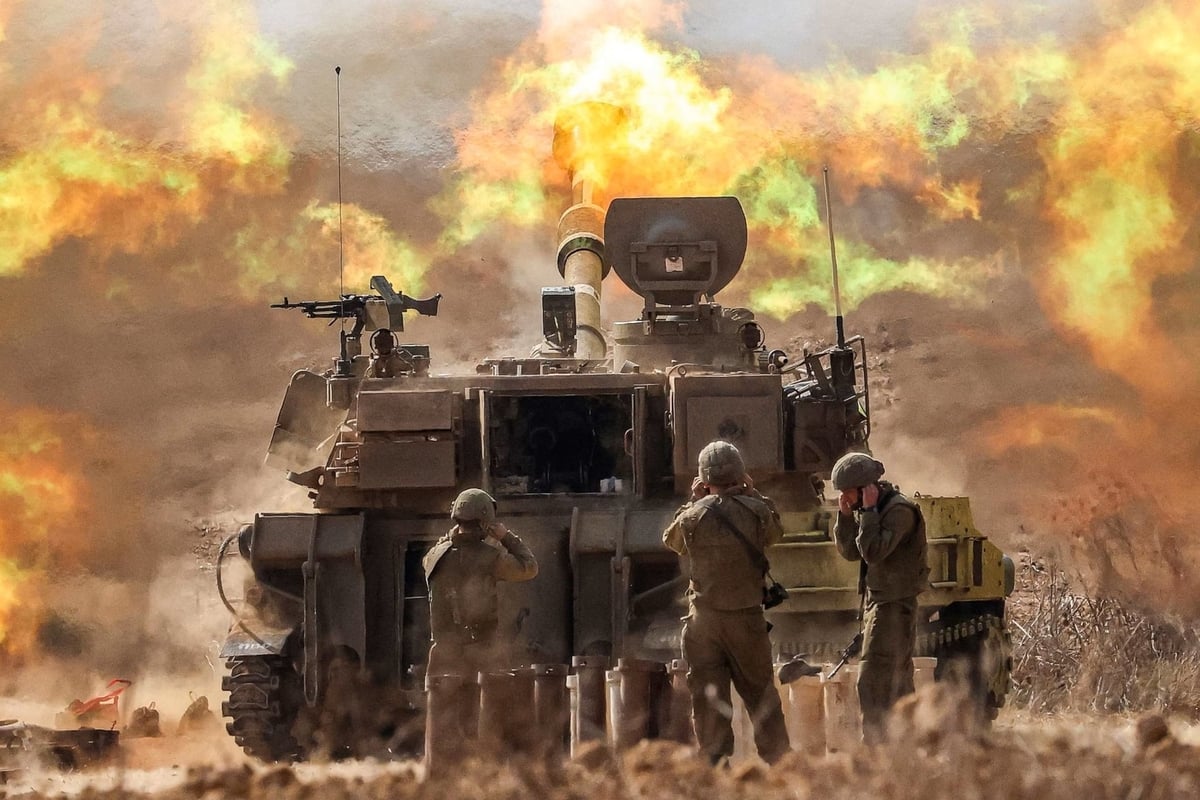
The war broke out after Israel and the United States attacked Iran on February 28 and killed the country’s supreme leader, followed by coordinated strikes on sites across the country. Iran retaliated with missile attacks against Israel and American targets across the Middle East.
After 40 days of war, the Iranian and American governments agreed to a temporary two-week ceasefire, but the first round of talks held this weekend ended without an agreement to definitively end the conflict, raising questions about what will happen when the truce expires on April 22.
The U.S. military announced it was imposing a naval blockade on all Iranian ports, while Iran continues its own blockade of the Strait of Hormuz, destabilizing global oil supply and the economy.
Before the weekend negotiations in Pakistan, Ms. Amini said she was not optimistic about the future because the warring factions were not entering into talks in good faith.
She mentioned that she did not trust the Iranian government and did not believe that the American or Israeli governments were trustworthy either.
“I’m still very worried because I don’t think this ceasefire will hold, and I’m afraid of what that will mean,” she said.
If the ceasefire leads to a permanent peace agreement, she fears that Iranians may end up with a much tougher government after the assassination of Supreme Leader Ali Khamenei, whom she referred to as the “most moderate” personality in the regime.
Ms. Amini also stated that the threats by U.S. President Donald Trump to exterminate the Iranian population were “very worrisome.”
“When you talk about annihilating an entire civilization, you show that you have no respect for the lives of those people,” she said.
Mona Ghassemi, president of the Montreal-based Iranian-Canadian Congress, described Donald Trump’s threat as “genocidal rhetoric.”
Ms. Ghassemi explained that even though their relatives in Iran, including cousins, aunts, and uncles, had not been affected by the bombings, they were constantly worried about their safety as civilian sites were targeted.
On the second day of the war, Ms. Ghassemi recounted that many people were present in tears at the Congress’s board meeting.
“I cried myself during that same meeting,” Ms. Ghassemi explained.
Serving as a software developer, she had to take a few days off at the beginning of the war, but has since been dedicated to advocating for an end to the conflict.
Before attacking Iran, the United States had imposed crushing economic sanctions on the country for decades.
“The position of the Iranian-Canadian Congress has always been against war and against sanctions as well,” Ms. Ghassemi declared. “Because we know that sanctions have a very negative economic impact and are designed to increase the suffering of the population.”
Sarah Sabri, a researcher at Dalhousie University’s family medicine department in Halifax, explained that Iran is under the control of a “theocratic dictatorship” that violently oppresses government opponents for decades. The Islamic Republic of Iran’s government came to power in 1979.
Ms. Sabri expressed concern for the safety of her father, who traveled to Iran in November and has been stranded there since.
She also mentioned knowing someone who lost their mother in a bombing a few weeks ago. “This hits very close to home, as we are all concerned for our relatives in Iran,” lamented the researcher.
Ms. Sabri explained that her biggest concern was the future of Iran under the current government, which she sees as weakened by American and Israeli strikes.
“But a weakened regime is not really less dangerous to its own people,” said Ms. Sabri. “On the contrary, I think it would be even more aggressive.”
Even though this year’s Norouz wasn’t a grand celebration for Ms. Sabri, she gathered with her family and friends on the first day of spring to wish for a “new beginning” for their home country.
She mentioned that the members of the Iranian-Canadian community have stepped up their efforts to support each other in these tough times.
“Fortunately, we have a very supportive community in Halifax,” she said. “We try to come together, go for walks, and just be there for each other.”
– With information from the Associated Press