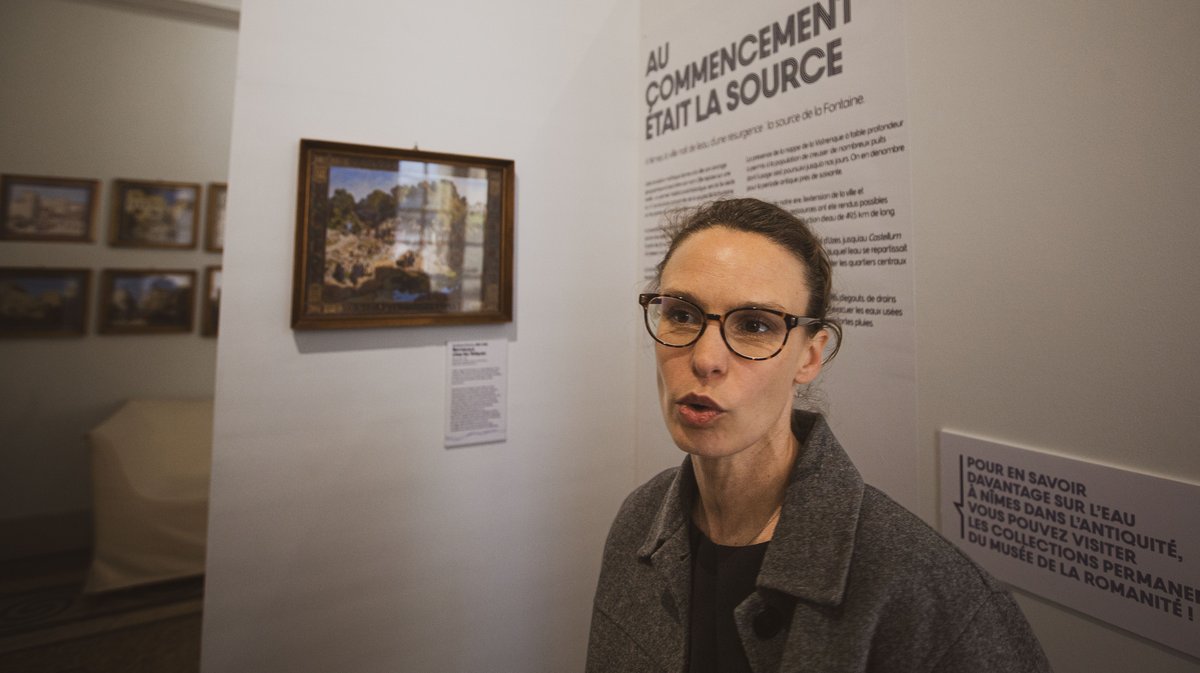
While barely a few weeks after the arrival of new RN mayors, we are already seeing their drastic cuts and even their censorship against cultural events, we sought the expert eye of Emmanuel Négrier.
A specialist in the economics of festivals, the Montpellier political scientist reminds us in the preamble that although there is great diversity, most remain « of modest size often entirely or almost based on volunteering, with municipal support which may be in kind, provision of equipment or temporary secondment of staff, or in subsidies ».
In the studies carried out by the researcher at Cepel, the share of subsidies is « minority » in the global economy, but it is « significant » compared to other countries. It is located « between a third and a half of the revenue, depending on whether we are in the world of current music, or classical music, for example »he illustrates.
« Une régression considérable »
So, do the recent choices of RN mayors (cut aid, canceled festivals) endanger beyond the smallest structures? While specifying that it is not only the RN which is slashing culture, Emmanuel Négrier takes the example of Vauvert where the structure which organizes one of the most popular jazz festivals in Occitanie has moved to Vergèze. Another notable example is that of the Carcassonne international political film festival which renounced aid from the new RN town hall. « The RN sometimes remains more cautious, apparently, with regard to large, bright festivals, such as Visa pour l’Image in Perpignan. But nothing says that this will last. The RN blows hot and cold in a sector where it seeks to impose its methods made, more or less depending on the cities it governs, of patrimonial reaction, privatization, politicization and proscription of actors it knows are hostile to its vision. This is a considerable democratic regression ».
Elsewhere, the far right is forcing the line on traditions (Beaucaire) when it is not rewriting History in its own right, like that of the Cathars in Robert Ménard style in Béziers. « The level of cultural spending in RN cities is not necessarily the most relevant indicator. We see that this level has not dropped in Perpignan under Louis Aliot until 2026. It is the content that is changing and to which we must be attentive : the offer continues to exist, it is no longer quite the same, and indeed colonial nostalgia, counter-revolutionary speeches and revisionist stories have a special place there, while cultural action projects in working-class neighborhoods are punished. This is the populism of the RN : against the people ».
In these situations, the cultural sector will sometimes have to try to emancipate itself from hostile communities by « deploying in resistance or in avoidance ». « It is of course difficult without the support of the main funder of culture and the master of many places hosting artistic projects… » concède Emmanuel Négrier.