The war in Iran is weighing heavily on business leaders’ morale, which has fallen to its lowest level since the beginning of the decade. The Ifo business climate index fell by 1.9 points in April to 84.4 points, as announced on Friday by the Munich-based Ifo institute following a survey of around 9,000 executives. This is the lowest level since May 2020, when the pandemic was paralyzing the national economy. Economists expected a smaller drop in the Ifo barometer to 85.5 points for this month. Companies show a marked pessimism for the coming months and also judge their current situation less favorable. ‘The Iranian crisis is hitting the German economy hard,’ said Ifo President Clemens Fuest.
Klaus Wohlrabe, head of surveys at the Munich institute, told Reuters that local economy was losing confidence: ‘There is hardly any glimmer of hope this month. Uncertainty is eating away at the German economy.’ This assessment is also reflected in the business climate by sector; it has significantly deteriorated in manufacturing and services. The gloom also prevails in retail: retailers particularly fear that consumers will become more cautious due to inflation.
The surge in energy prices due to the war in Iran has pushed the inflation rate to 2.7 percent, the highest value since January 2024. Fuel and domestic fuel prices, in particular, have soared since the start of the conflict. Many economists consider it likely that the inflation rate will exceed three percent in the coming months.
COLLAPSE OF MORALE IN THE CONSTRUCTION INDUSTRY
The rise in oil and gas prices is also driving up the cost of construction materials, an additional pressure factor for a crisis-ridden sector. According to Ifo, the business climate in the construction sector plummeted in April. Expectations have declined significantly. ‘Hopes of recovery have vanished for now,’ noted Ifo chief Fuest. Recently, the sector has been fluctuating between shadow and light: construction saw more orders in February but had lower revenue. The war in Iran has significantly darkened the outlook for 2026, which was still promising earlier this year, said Felix Pakleppa, general manager of the German Construction Federation (ZDB): ‘We are currently maintaining our annual forecast of 2.5 percent real growth, but we must be cautious about future geopolitical developments.’
All eyes are on the Strait of Hormuz, a vital chokepoint for international oil and liquefied natural gas shipping. ‘Geopolitical developments around the Strait of Hormuz will determine in the coming weeks whether the German economy will be able to emerge from its now chronic stagnation phase this year,’ predicted Robin Winkler, chief economist for Germany at Deutsche Bank.
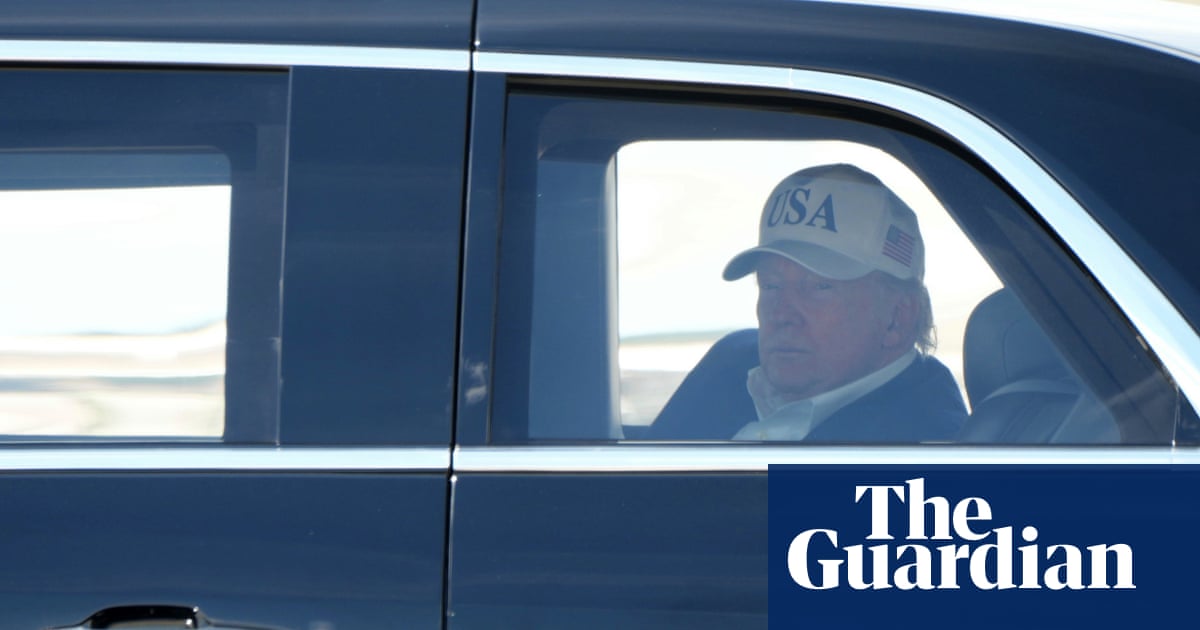
Since the start of the war in Iran at the end of February, oil prices have soared, effectively paralyzing maritime traffic in the Strait of Hormuz. Before the military conflict, one-fifth of the world’s oil passed through this strait. U.S. President Donald Trump recently extended the truce with Iran indefinitely since April 8 to allow for new discussions. However, uncertainty remains about the actual resumption of peace negotiations between the United States and Iran.
The federal government recently halved its growth forecast for the current year to 0.5 percent. According to Economy Minister Katherina Reiche, while the economy is facing increasing headwinds due to the war in Iran, a recession is not expected. According to Ifo expert Wohlrabe, the economy is expected to stagnate at best in the second quarter. In the worst-case scenario, it could contract by 0.1 or 0.2 percent compared to the previous quarter.
- by Reinhard Becker and Klaus Lauer